
Choosing the right daycare for your child is one of the most important decisions you’ll make as a parent. The right daycare can provide a nurturing, educational, and safe environment where your child can thrive.
But with so many options available, how do you choose the best one? This article will guide you on how to choose a daycare by considering key factors and asking essential questions to ensure you select the best daycare for your child.
Table of Contents
Introduction
What is Daycare
Daycare is a facility that provides care and supervision for children while their parents or guardians are at work or engaged in other activities. At daycare, children have the opportunity to learn, play, and socialize with other children under professional supervision.
Why Do People Need Daycare, and Who Needs It
Daycare is necessary for families where both parents work or have commitments that require them to leave their children for several hours a day. It is also useful for single parents who need support in caring for their children.
Daycare is ideal for children from infancy to preschool age who need a safe and structured environment for play and learning.
Section 1: What to Look for in a Daycare

1.1 Licensed and Accredited Facilities
Licensing and accreditation are crucial indicators of a daycare’s quality and adherence to standards. Licensed facilities are regularly inspected to ensure they meet safety, health, and educational standards.
Accreditation from organizations like the National Association for the Education of Young Children (NAEYC) further assures high-quality care. To verify a daycare’s credentials, you can check with your local childcare regulatory agency or the daycare’s website for certification details.
1.2 Qualified and Caring Staff
The qualifications and demeanor of the staff are vital for your child’s well-being. According to Dr. Sarah Lytle, director of outreach and education at the Institute for Learning and Brain Sciences, staff should have relevant education and experience in early childhood education.
Look for caregivers with degrees or certifications in child development or early childhood education, and observe interactions to ensure they are positive and nurturing.
1.3 Low Child-to-Staff Ratios
Low child-to-staff ratios ensure personalized attention and better supervision. The American Academy of Pediatrics recommends ratios of no more than 3:1 for infants, 4:1 for toddlers, and 8:1 for preschool-aged children.
Lower ratios allow caregivers to give more individual attention, fostering better development and safety.
| Age Group | Age Range | Recommended Ratio |
|---|---|---|
| Infants | 0-12 months | 3:1 |
| Toddlers | 1-3 years | 4:1 |
| Preschool | 3-5 years | 8:1 |
1.4 Structured Daily Schedule
A well-structured daily schedule helps children feel secure and promotes their development. Look for a daycare that offers a balanced mix of educational activities, playtime, and rest.
Activities should include storytime, arts and crafts, outdoor play, and basic academic skills. A consistent routine helps children develop a sense of stability and predictability.
1.5 Positive Reviews and Recommendations
Reviews and recommendations from other parents can provide valuable insights. Check online reviews and ask for testimonials from current or past clients.
Word-of-mouth recommendations from friends or family members can also be very helpful. Positive feedback usually indicates a reliable and high-quality daycare.
Section 2: Questions to Ask When Visiting a Daycare

2.1 What is the Staff-to-Child Ratio?
Understanding the staff-to-child ratio for different age groups is essential. Ratios impact the level of care and supervision your child will receive. Ensure the daycare meets or exceeds the recommended ratios for your child’s age group.
2.2 What is the Staff Turnover Rate?
Low staff turnover rates are important for providing a stable environment. High turnover can disrupt the children’s routine and bonding.
Ask about the average tenure of the staff and observe how long key caregivers have been with the facility.
2.3 What is the Daycare’s Policy on Discipline and Conflict Resolution?
Consistent and positive discipline methods are crucial. Inquire about the daycare’s approach to handling misbehavior and conflict.
Ensure their methods align with your values and focus on positive reinforcement and conflict resolution.
2.4 What Measures are in Place for Safety and Emergency Preparedness?
Safety is paramount. Look for key safety features such as secure entrances, visitor logs, and childproofing measures.
Ask about their procedures for handling emergencies, including staff training in first aid and CPR, and how they communicate with parents during such situations.
2.5 What are the Daily Activities and Learning Opportunities?
A balanced schedule with educational and recreational activities is essential. Assess the quality and variety of the daycare’s program.
Activities should promote physical, emotional, and cognitive development.
Section 3: Daycare vs. In-Home Care: Pros and Cons

3.1 Daycare Pros and Cons
Daycares offer a structured environment with ample socialization opportunities for children. They provide a set schedule of activities and access to various resources.
However, potential downsides include exposure to illnesses and less personalized attention.
| Pros | Cons |
|---|---|
| Structured environment | Exposure to illnesses |
| Socialization opportunities | Less personalized attention |
| Access to various resources | |
| Trained and qualified staff | |
| Preparation for school transition |
3.2 In-Home Care Pros and Cons
In-home care offers personalized attention in a familiar environment, which can be comforting for some children. It provides flexibility and can be tailored to your child’s specific needs.
However, it may limit social interaction and relies heavily on the caregiver’s reliability.
| Pros | Cons |
|---|---|
| Personalized care | Limited social interaction |
| Familiar environment | Caregiver reliability |
| Flexibility in schedule | |
| Tailored to child’s specific needs | |
| Stronger bond with caregiver |
3.3 Factors to Consider Based on Your Family’s Needs
When deciding between daycare and in-home care, consider your child’s personality, your family’s schedule, and your comfort with the caregivers.
Evaluate the pros and cons based on your specific situation to make the best choice for your child.
- Your child’s temperament and social needs
- Your work schedule and flexibility
- Budget considerations
- Trust and comfort with the daycare or caregiver
Section 4: How to Evaluate Daycare Safety and Cleanliness
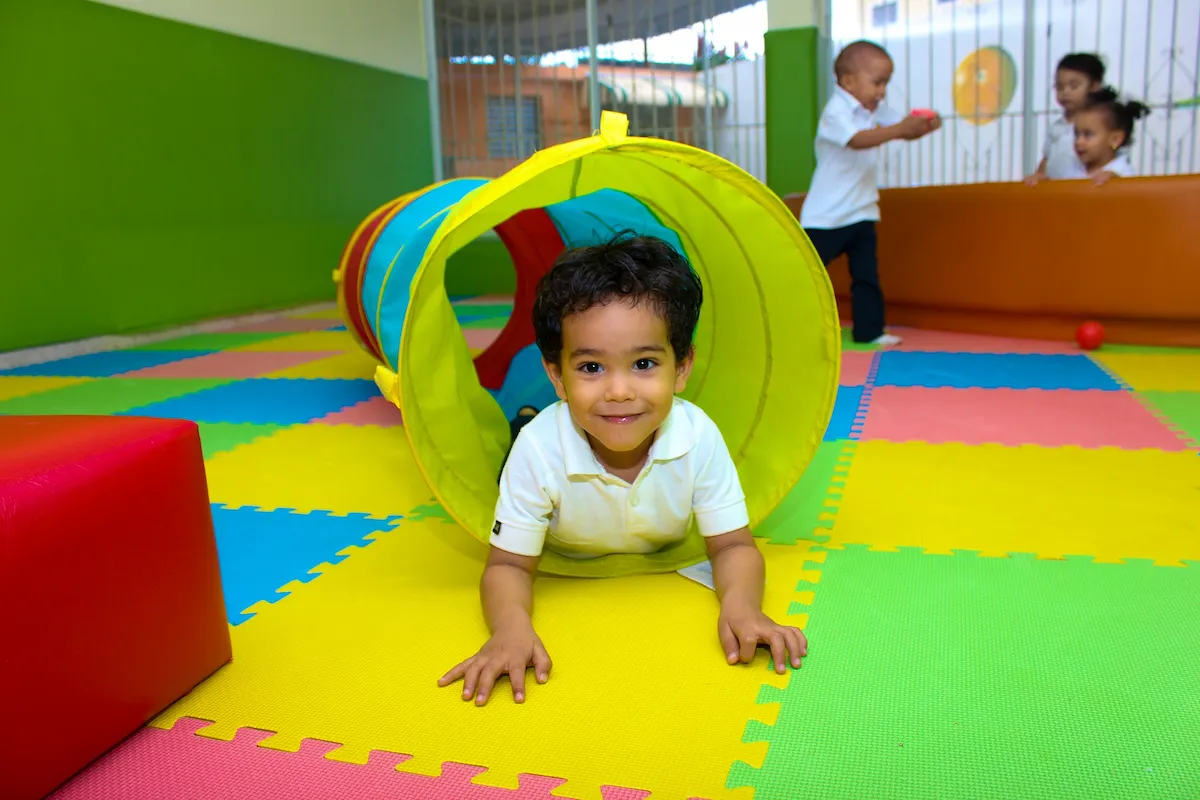
4.1 Inspecting the Facility
During your visit, inspect key areas such as classrooms, playgrounds, and bathrooms. Look for signs of cleanliness and maintenance.
A clean, well-organized environment is essential for your child’s health and safety.
4.2 Safety Policies and Procedures
Strict safety protocols and regular drills are important. Ask about their policies on health, safety, and emergencies.
Ensure the daycare conducts regular drills and that staff are trained to handle various situations.
4.3 Hygiene Practices
Regular cleaning and sanitization are crucial to prevent illness. Verify the daycare’s hygiene standards by asking about their cleaning routines and observing the facility’s cleanliness.
4.4 Security Measures
Security features like secure entrances and visitor logs are essential. Ensure the daycare has measures in place to protect your child and controls access to the facility effectively.
4.5 Emergency Response Preparedness
Staff training in first aid and CPR is critical. Ask how the daycare handles emergencies and ensures all staff are prepared.
Good communication with parents during emergencies is also important.
Conclusion
Choosing the right daycare is a significant decision that requires thorough research and asking the right questions. By considering factors such as licensing, staff qualifications, child-to-staff ratios, daily schedules, and safety measures, you can ensure your child receives the best care.
Trust your instincts and take your time to find a daycare that feels right for your family. Remember, the right daycare can provide a foundation for your child’s growth, development, and happiness.
For products that can support your daycare search, consider educational toys and supplies like the Learning Resources Pretend & Play School Set for at-home learning reinforcement, or the Childproofing Kit by Safety 1st to ensure your home is as safe as the daycare.
